Hardwood floors are the pinnacle of durability, but their longevity largely depends on the ability to make strategic, isolated repairs and to freshen the surface with wood floor stains or refinishing. Since most floors only need refinishing every 7 to 10 years, we often recommend wood floor repairs and restaining to bridge the gap.
Learn the basics of repairing wood floors, the benefits of restaining wood flooring, and more from the experts at Floor Coverings International® of Plano!
How to Repair Wood Floors
Even if you keep your hardwood flooring clean, it’s almost impossible to avoid the occasional scratch or other types of damage.
Repair Scratches on Wood Floors
There’s a difference between a minor thin scratch and damage. A scratch is typically shallow and may appear deeper than it is due to surface staining. In fact, the most common way to repair a scratch in your wood floor is to use a wood blending pencil. These work well on small scratches and use a stain-like compound to fill them in. Make sure you match the stain color as close as possible to deliver a natural, blended fix.
Repair Damaged Hardwood Floors
If the issue is any deeper or more significant than a scratch, you’ll likely need the help of an experienced contractor. Most wood floor repairs require a more invasive, intensive approach:
Replacing Planks
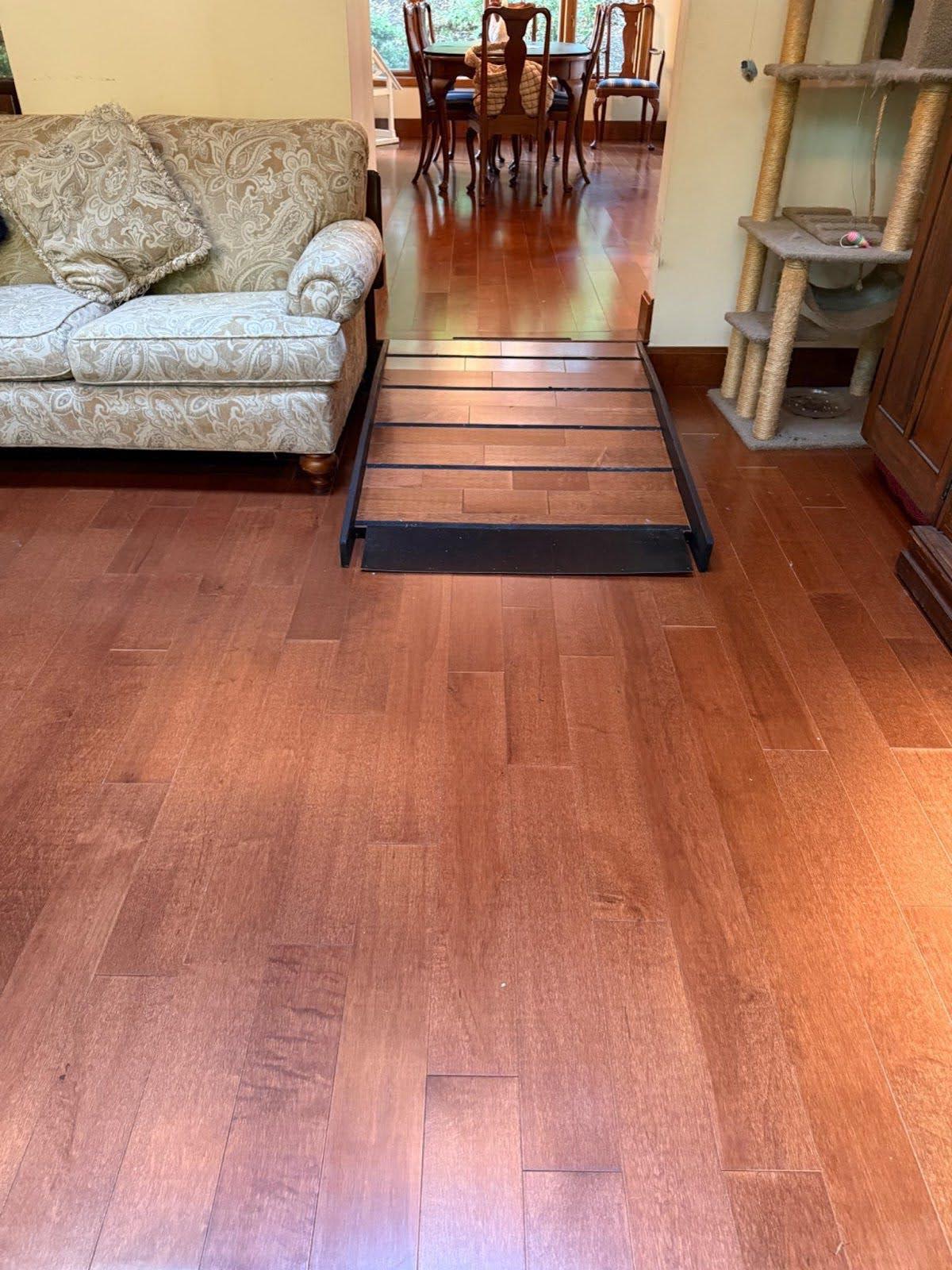
Many types of impact damage, discoloration, or water damage require replacement. This involves removing the original flooring, inspecting and addressing any issues with the subflooring, and installing new planks. You’ll need to cut, measure, install, and finish the new flooring to match the existing flooring.
Is It Better to Repair Wood Floors – Or Replace Them?
Repairing small sections of flooring will be much less expensive and will preserve your floor's current look. Even substantial refinishing projects will cost half as much as replacement and take just a few days; a full replacement can sometimes take weeks to complete.
Of course, there are some scenarios where replacing wood flooring is the better option, such as:
- Structural damage: If your floors are rotting, have termite damage, or show signs of warping from water damage, they should be replaced.
- Already refinished: Most hardwood floors can be refinished 8-10 times. If they have already been sanded down to the tongue and groove, they most likely can’t be sanded again.
- Extent of damage: If damage affects more than 30% of your flooring, replacement may be the better long-term option.
We’ll help you decide whether to repair or replace old wood floors during your free, in-home consultation, so you can make an informed decision.
Read more: What Faux Hardwood Flooring Is Best for Texas Homes?
Restaining Wood Floors
Another option is to sand and restain a small section of your wood floors to address affected areas without committing to a larger project. The cost to refinish wood floors is roughly half of replacement, and focusing your effort on a specific area reduces the expense even further.
Can You Restain Wood Floors Without Sanding?
In some cases, you can resurface wood floors without sanding through a process called screening and buffing. This approach is best for flooring with only minor scratches and involves applying a fresh coat of polyurethane stain.
Trust Plano’s Flooring Specialists
Wood floors add natural warmth and prestige to any space, and Plano homeowners cherish their hardwood floors like heirlooms. Floor Coverings International® of Plano is proud to bring world-class wood floor care home to the Dallas-Fort Worth metroplex. Enjoy friendly, reliable recommendations and a seamless experience with our Design Associates – we love taking care of our neighbors. Start your project by calling (214) 707-4988 or scheduling your free, in-home consultation today.